Mold Development & Support
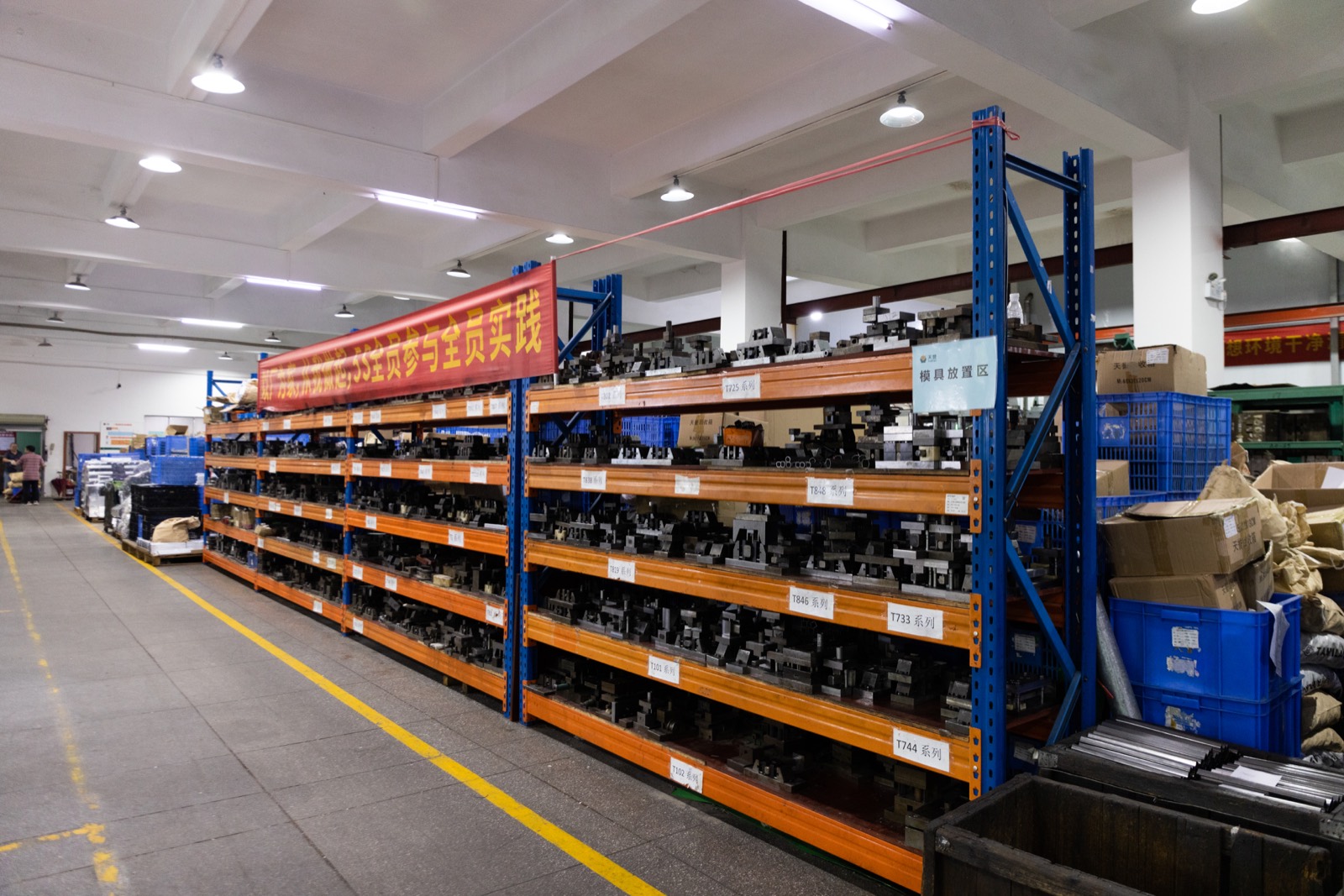
Starting from product drawings, structure and mold development are discussed. Molds are stored by series in the workshop to support component production for different models.
From mold development and injection molding to hardware processing and product testing. Step into TIANYU's production site to see the manufacturing processes behind telescopic handles, casters and luggage accessories.
Discuss Product Requirements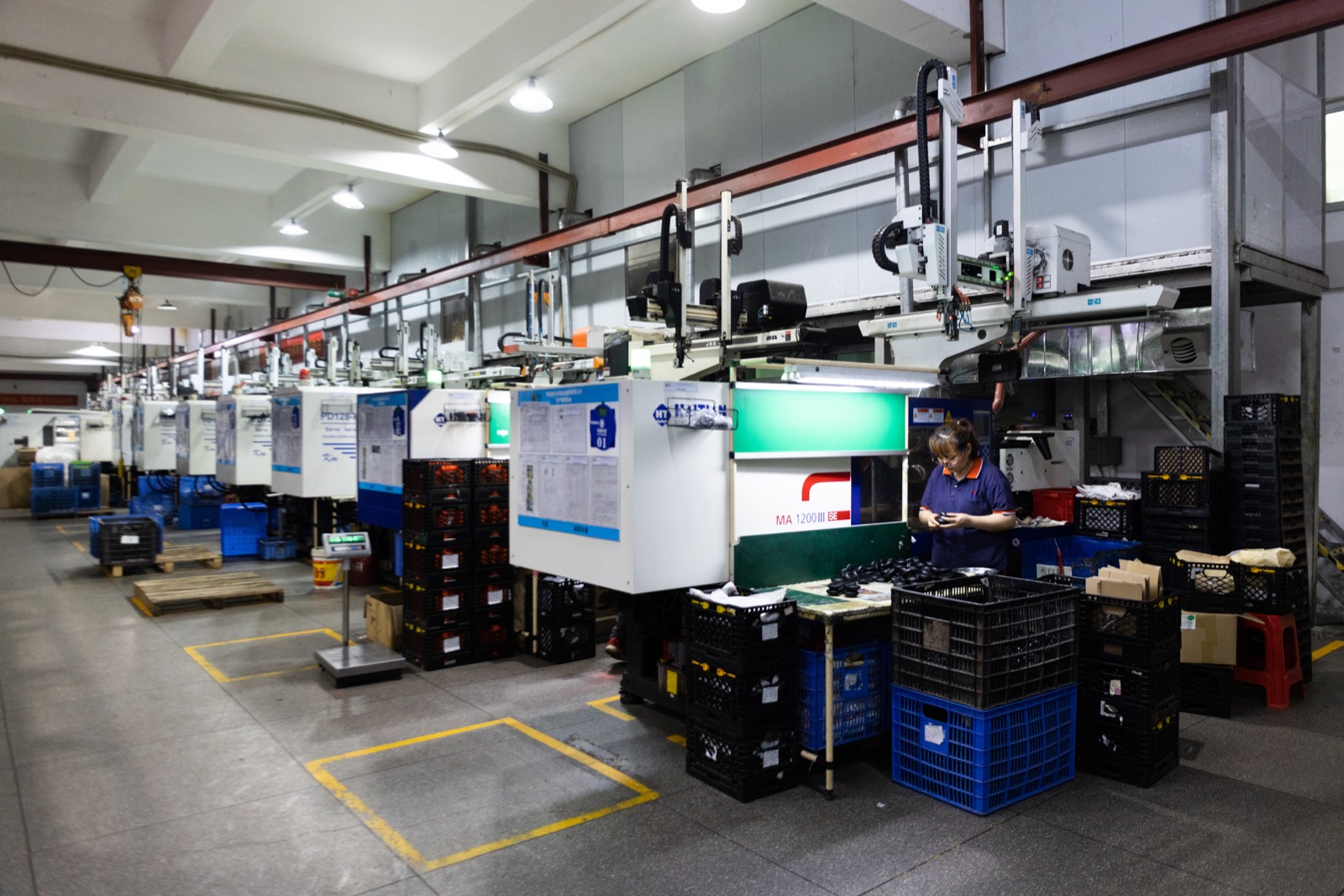
Telescopic handles, casters and luggage accessories involve molds, plastic molding and hardware processing. See how these processes are carried out on specific equipment and components in TIANYU's workshop.
Starting from product drawings, structure and mold development are discussed. Molds are stored by series in the workshop to support component production for different models.
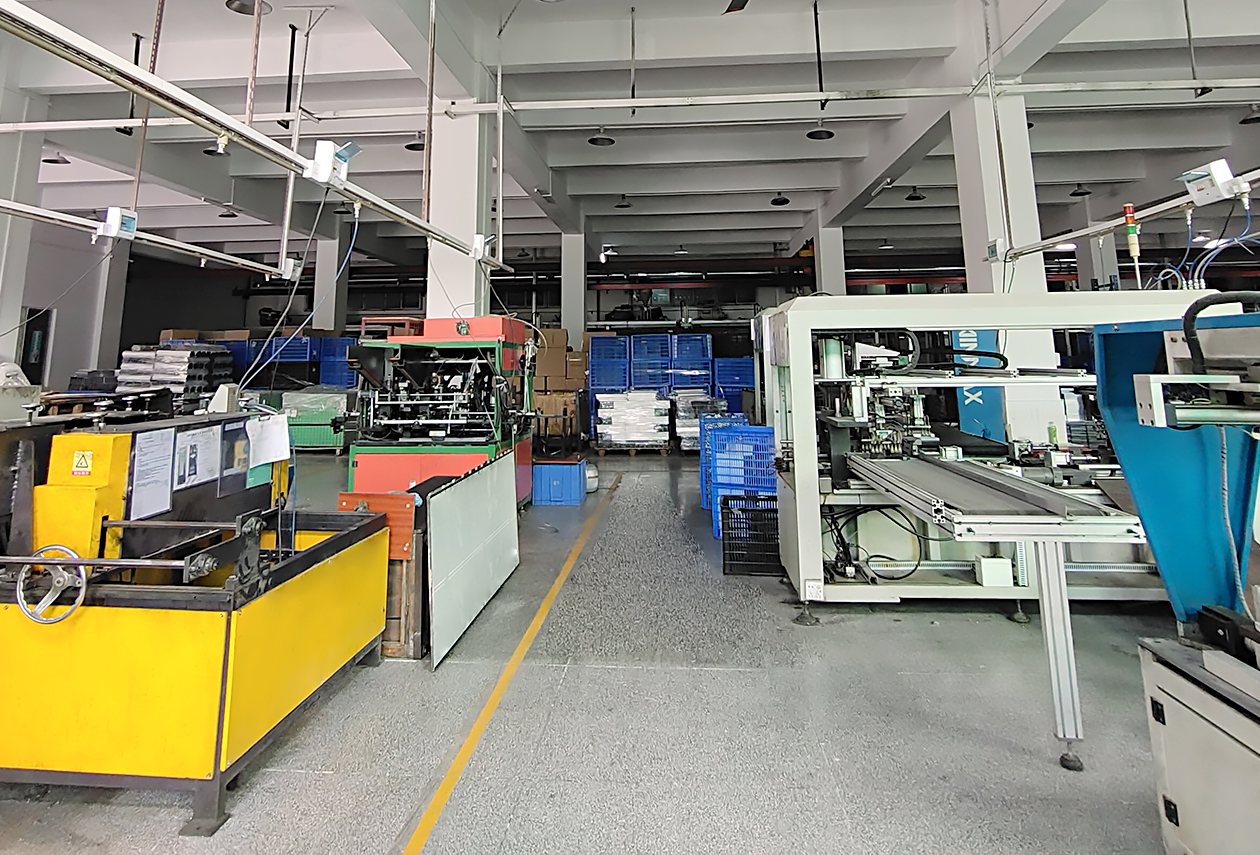
Processing steps such as hardware stamping and punching gradually form tube fittings and other metal components into the structures required by the product.
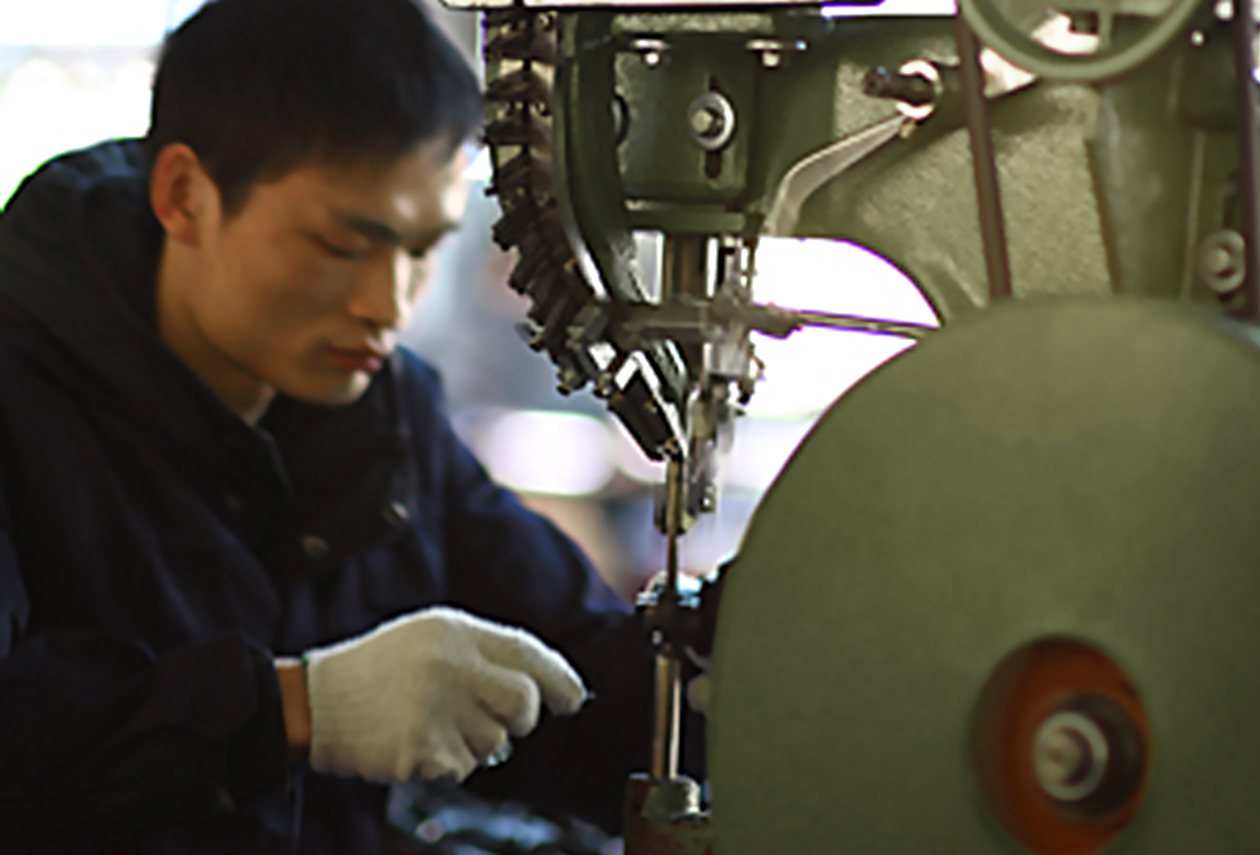
Components are connected through processes such as riveting. Specific connection points and assembly methods are determined based on product structure and confirmed samples.
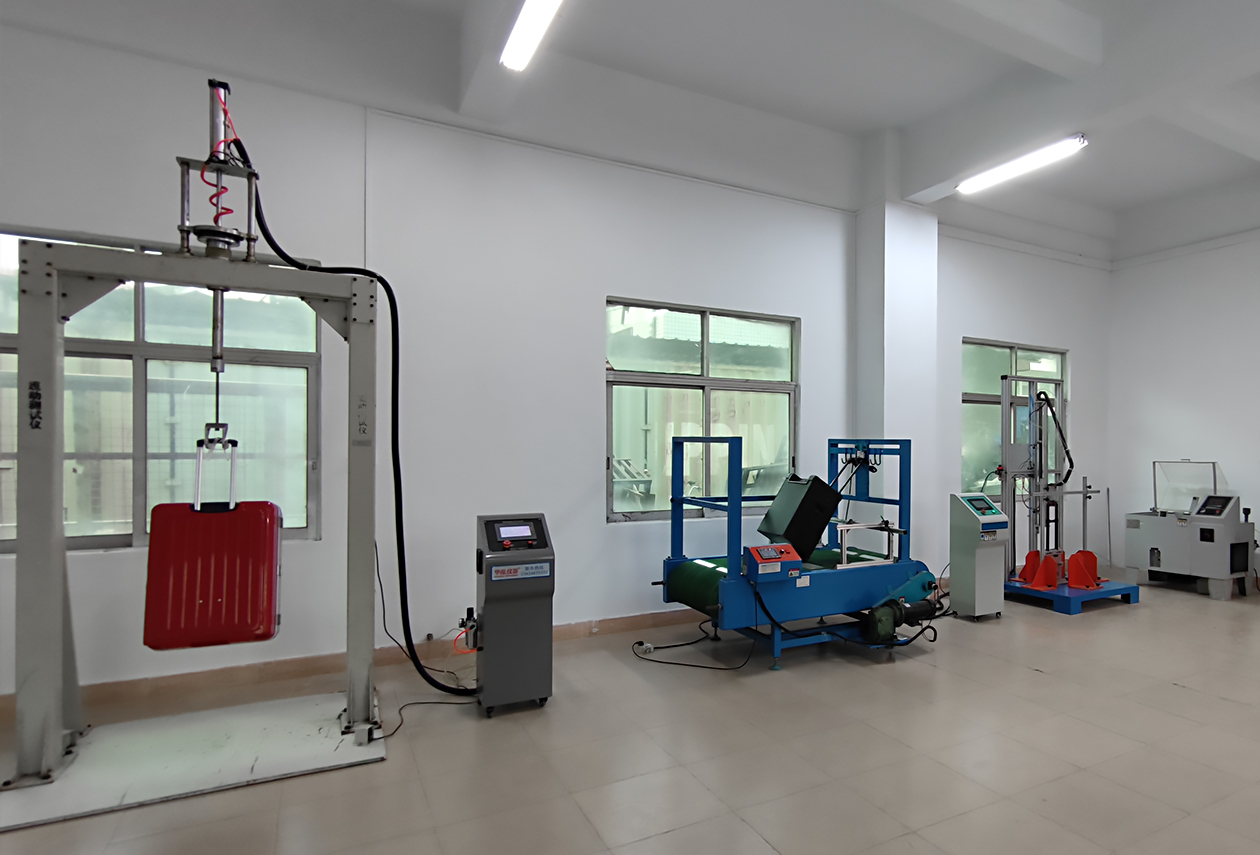
Extension, retraction, loading and movement are everyday actions that accessories encounter. TIANYU conducts corresponding tests to observe product performance under these conditions.
Test items, load and number of cycles are determined based on the specific model and requirements confirmed by both parties.
Existing models can be discussed directly for matching. When a new structure needs to be developed, clarify drawings, samples and usage requirements before proceeding to the next steps.
Discuss usage, dimensions and installation position to define the product structure.
Evaluate whether existing molds can be used; develop new molds when necessary.
Check appearance, dimensions and trial assembly, then proceed with production after confirmation.
Organize production according to confirmed requirements and arrange corresponding inspections based on the product.
Verify products against delivery requirements and complete pre-shipment inspection.
From an idea for mobility to a product solution that fits you.